Educational site about Norwegian herbal tea — not a pharmacy or clinic. We do not make health or treatment claims. Not medical advice.

Herbal Tea Recipes You Can Make Today

Simple blends and single-herb cups — no special equipment, just a kettle and a strainer.

How to Use These Recipes

Start simple, then adjust to your own taste

Every great herbal tea recipe begins with quality ingredients and a clear purpose. Are you preparing a gentle morning cup to start the day? A robust afternoon blend to accompany a slice of rye bread? Or a calming evening infusion before bed? Defining the moment helps you select the right herbs and proportions without guesswork.

The recipes below have been adapted from traditional Norwegian household practices and refined for modern home kitchens. Each one lists exact measurements, water temperature, steeping time, and serving suggestions. Feel free to adjust quantities after your first attempt — taste is personal, and the best recipe is the one you enjoy drinking regularly. Keep a small notebook by your kettle to record modifications; this habit turns casual steeping into a craft you refine over seasons.

All recipes assume dried herbs unless otherwise noted. If using fresh material, double the quantity and extend steeping time by two to three minutes. For blends, mix dried herbs in a jar and shake well before each use to ensure even distribution of ingredients.
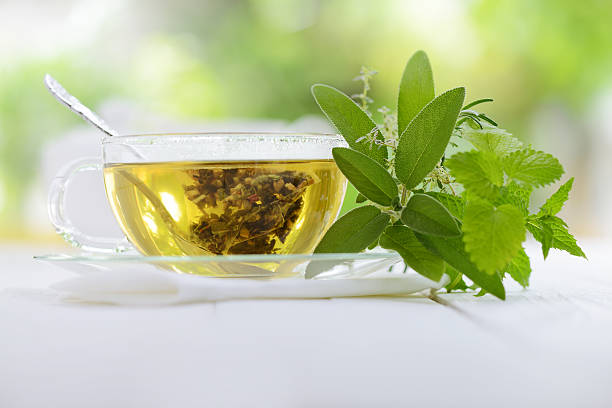
Our Favourite Blends

Four recipes people actually make at home in Norway

Spring Nettle & Birch Blend

A classic early-season blend that captures the freshness of Norwegian spring meadows. Mild, grassy, and caffeine-free.

  • 2 parts dried nettle leaf
  • 1 part dried birch leaf
  • 1/2 part dried lemon balm (optional)
  • 1 tsp blend per 250 ml water at 88 °C
  • Steep 8 minutes, covered. Strain and serve warm.

Tip: Add a thin slice of fresh ginger in autumn and winter for a warming variation.

Meadowsweet Evening Blend

Designed for quiet evenings when you want something aromatic and naturally sweet without added sugar. The almond notes of meadowsweet dominate this soothing cup.

  • 2 parts dried meadowsweet flowers
  • 1 part dried raspberry leaf
  • 1/2 part dried chamomile
  • 1 tsp blend per 250 ml water at 82 °C
  • Steep 6 minutes. Best enjoyed 30 minutes before bedtime.

Tip: Pair with a small piece of dark chocolate for a simple Norwegian hygge moment.

Fireweed & Mint Afternoon Cup

A refreshing blend that works equally well hot or iced. Fireweed provides body while garden mint adds a clean, cooling finish.

  • 2 parts dried fireweed leaf
  • 1 part dried peppermint
  • 1/2 part dried rosehip (for tart, fruity notes)
  • 1.5 tsp blend per 250 ml water at 90 °C
  • Steep 10 minutes. For iced version, double strength and pour over ice.

Tip: Harvest peppermint before flowering for the most intense menthol character.

Autumn Forest Blend

A deeper, earthier combination perfect for October evenings when the first frost touches Telemark forests. Warming spices complement wild-harvested herbs.

  • 2 parts dried nettle leaf
  • 1 part dried yarrow
  • 1/2 part dried orange peel
  • 2 crushed cardamom pods per cup
  • 1.5 tsp herb blend per 250 ml water at 90 °C, steep 12 minutes

Tip: Lightly toast cardamom pods in a dry pan before crushing to intensify their aroma.

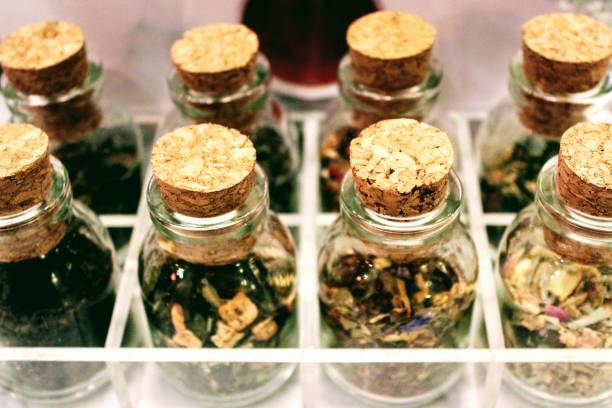
Single-herb dried tea preparations in glass jars

One Herb, One Cup

Sometimes the simplest approach is the most satisfying. Single-herb infusions let you appreciate the pure character of each plant without distraction. Pure nettle tea — one heaped teaspoon per cup, 88 °C, eight minutes — is a staple in many Norwegian households from March through November. Its deep green colour and clean, grassy flavour make it an excellent baseline for evaluating your drying and storage techniques.

Pure birch leaf tea requires a lighter touch: 80 °C water and no more than seven minutes of steeping. The result is a pale golden cup with subtle sweetness and a faint wintergreen note. Pure meadowsweet flower tea is best at 80 °C for five minutes — any longer and the almond flavour becomes overpowering. These single-herb preparations are also the best way to test for personal sensitivities before committing to complex blends.

When serving single-herb teas to guests, present them in clear glass cups to showcase the natural colours. A small dish of local honey and a printed card naming the herb and its harvesting location adds a thoughtful, personal touch that elevates a simple drink into a memorable experience.

Make a Batch for the Week

If you drink herbal tea daily, batch preparation saves time without sacrificing quality. Prepare one litre at a time using a large glass jar or enamel pot. Multiply any single-cup recipe by four, use water at the recommended temperature, and steep in a covered container for the full duration. Strain into a clean glass bottle and refrigerate immediately.

Refrigerated herbal tea stays fresh for up to 48 hours. For a quick morning routine, fill a thermos with chilled birch-nettle blend the night before and grab it on your way out. You can also freeze steeped tea in ice cube trays and add the cubes to sparkling water for a refreshing afternoon drink during summer hikes in the Norwegian countryside.

When preparing blends in batches that contain flowers (meadowsweet, elderflower), consider making only enough for same-day consumption, as floral notes fade faster than leafy herbs in refrigerated storage. Label every bottle with the preparation date and herb combination to maintain a clear rotation system in your fridge.

Batch steeped herbal tea stored in glass bottles

Stay Safe

Measure Consistently

Using a kitchen scale for dried herbs (typically 1.5–2 grams per cup) produces more reliable results than volume measurements alone. Leaf density varies between species and harvest batches, so weighing eliminates inconsistency.

Label Your Blends

Always write the ingredients and date on every jar of mixed herbs. If you share tea with friends or family members who have allergies or dietary restrictions, a clear label prevents accidental exposure to unsuitable ingredients.

Made Your Tea? Here Is What Comes Next

A few simple habits that make every cup more enjoyable