Educational site about Norwegian herbal tea — not a pharmacy or clinic. We do not make health or treatment claims. Not medical advice.

Herbs That Grow in Norway

From coastal meadows to birch forests — the plants Norwegians have been putting in their teapots for generations.

What Grows Where

Norway is long and varied — so is its plant life

Norway stretches over 1,700 kilometres from south to north, creating distinct growing zones that influence which herbs are available locally. In the mild, rainy regions of Vestland and Agder, you will find lush nettle patches and abundant meadowsweet along stream banks. Further inland in Oppland and Hedmark, birch forests dominate, offering a reliable supply of young leaves each spring. Northern counties introduce arctic-adapted species like cloudberry and alpine sorrel, which lend unique flavours unavailable in southern blends.

Understanding these regional differences helps you choose herbs that are both fresh and sustainable. Rather than importing exotic ingredients, Norwegian households have historically relied on what grows within walking distance. This practice aligns with modern conversations about food miles and seasonal eating promoted by organisations like Matmerk and NIBIO. When you steep tea from locally sourced plants, you participate in a food culture that values proximity, seasonality, and respect for the land.

Below, we profile the herbs most commonly used in Norwegian home kitchens, explaining their traditional roles, flavour profiles, and practical harvesting windows. Each profile is designed to give you enough detail to start confidently — whether you are a first-time forager or someone refining an existing pantry of dried blends.
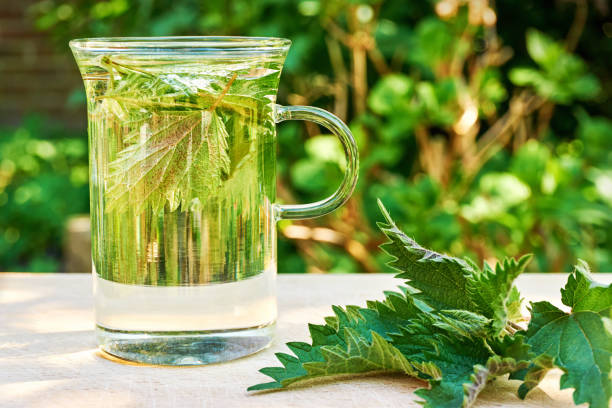
Nettle and birch leaves collected in a Norwegian forest

Nettle and Birch — Where Most People Start

Nettle is arguably the most versatile herb in the Norwegian tea tradition. Young shoots collected before the summer solstice have the mildest, greenest flavour. Experienced foragers wear gloves and snip only the top four to six leaf pairs. After a quick blanch in boiling water for 30 seconds, the leaves lose their sting and can be dried flat on a rack or frozen for later use. Nettle tea has a deep green, slightly grassy taste that pairs well with a touch of apple juice or lemon balm.

Birch leaf tea occupies a different niche — lighter, sweeter, and often enjoyed as a first cup of spring after the long winter. Collect leaves when they are still small and vibrant green, typically mid-May in southern Norway. Avoid leaves with insect damage or yellowing edges. When dried, birch leaves curl slightly and release a faint wintergreen aroma. Birch leaf tea has been a household favourite in Scandinavia for generations, valued for its gentle taste rather than any particular effect.

Meadowsweet, Yarrow, and Fireweed

Three useful herbs with very different flavours

Meadowsweet (Filipendula ulmaria)

Found in damp meadows and along riverbanks, meadowsweet produces creamy-white flower clusters with an almond-like scent. Both leaves and flowers are usable, though flowers are preferred for their natural sweetness. Harvest in July when blooms are fully open but not yet browning. Meadowsweet has a distinctive almond-like aroma that works well in small amounts. Use sparingly in blends: one part meadowsweet to three parts base herb is a good starting ratio. If you are sensitive to aspirin, talk to your doctor before drinking meadowsweet regularly.

Yarrow (Achillea millefolium)

Yarrow grows on dry, sandy soils and roadsides throughout Norway. Its feathery leaves and flat white flower heads are easy to recognise once you have seen them once. The flavour is bitter and slightly astringent, making yarrow better suited as a supporting herb rather than a solo infusion. In older Norwegian household practice, a small amount of yarrow was sometimes added to after-dinner blends for its bold flavour. Dry the entire flowering top, then crumble before storage. Because the taste is strong, most people use it sparingly — one cup is enough to judge whether you like it.

Fireweed (Chamerion angustifolium)

Known locally as geitrams, fireweed colonises disturbed ground — forest clearings, burned areas, and roadside verges. Its magenta flowers are iconic in Norwegian summer landscapes. For tea, the leaves are the primary ingredient; they produce a mild, slightly tannic infusion reminiscent of black tea. Indigenous Sámi communities have used fireweed leaves for generations, and contemporary Nordic chefs have begun incorporating them into restaurant tea menus. Pick leaves before flowering for the gentlest taste, or use flowers for a visually striking garnish in iced infusions.

Herbs from the North and Coast

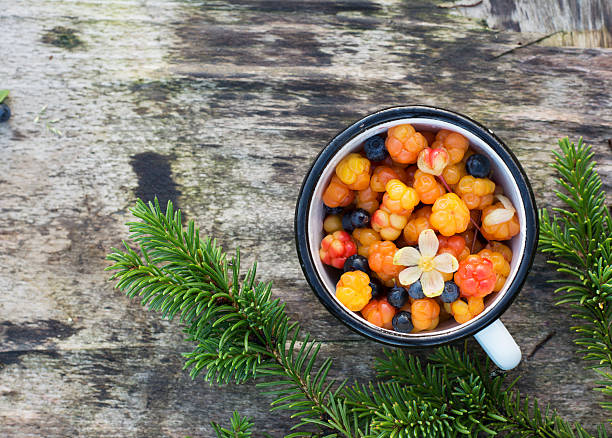
Cloudberry leaves, harvested in Finnmark and Troms, produce a subtle honey-floral infusion prized in northern households. The leaves are small and leathery, so they require a longer steep — up to 15 minutes — to release their full character. Because cloudberry plants are slow-growing, harvest leaves sparingly and never from the same plant two years in a row.

Rosebay willowherb is often confused with fireweed, but several related species exist across Norway. Raspberry leaf is widely available in garden hedgerows and wild bramble patches. Dried raspberry leaves have an earthy, slightly tannic profile similar to black tea and are commonly blended with peppermint for an afternoon cup. Elderflower, collected in early June, makes a fragrant standalone infusion or adds brightness to mixed herb blends stored for winter use.

Angelica, growing in damp coastal areas, has been used in Norwegian monastic gardens since the medieval period. Its large leaves and stems produce a bold, celery-like tea that divides opinion — some love its intensity, others prefer it as a cooking herb rather than a daily drink. If you try angelica tea, use only young stems and leaves from plants you have positively identified, as related species can be confusing for beginners.

Northern Norwegian cloudberry and wild berry plants

Common Questions

Nettle is the most forgiving starting point. It grows abundantly, is easy to identify, and produces a pleasant, mild flavour. Birch leaf is an excellent second herb to learn, as the identification features are distinct and the harvesting window is clearly defined in spring.
Absolutely. Nettle, yarrow, meadowsweet, and peppermint all thrive in Norwegian gardens. Growing your own gives you full control over soil quality and eliminates concerns about pollution or misidentification. Many gardeners dedicate a small "tea patch" with labelled rows for easy harvesting.
Quality varies significantly. Look for Norwegian or Scandinavian suppliers who list the harvest date and drying method. Avoid products with added flavours or unclear ingredient lists. Wild-harvested herbs often have a fresher aroma, but reputable organic shops can provide excellent alternatives when foraging is not practical.