Educational site about Norwegian herbal tea — not a pharmacy or clinic. We do not make health or treatment claims. Not medical advice.

How to Enjoy Your Cup of Tea

When to drink it, what to eat with it, and how to turn a quick cup into a small daily ritual.

A Simple Tea Routine for Your Day

When to drink which herbs

How you drink herbal tea matters as much as what you steep. A well-structured routine helps you enjoy different herbs at the right moments without overconsumption of any single plant. Norwegian lifestyle researchers have noted that structured beverage rituals — whether coffee at breakfast or tea after dinner — contribute to a sense of daily rhythm, particularly during the dark winter months when external cues like sunlight are scarce.

A practical starting framework divides the day into three tea windows. Morning (7–10 am) suits gentle infusions like nettle or birch leaf — mild, caffeine-free cups to start the day. Afternoon (2–4 pm) is ideal for more aromatic blends with peppermint, fireweed, or rosehip — herbs that refresh the palate during a mid-afternoon break. Evening (7–9 pm) calls for softer, floral preparations like meadowsweet and chamomile, enjoyed as a quiet ritual before bedtime.

Most people enjoy three to four cups spread across the day. Rotating herbs throughout the week keeps flavours interesting and avoids drinking the same plant too often. Keep a simple weekly rotation chart on your fridge: Monday nettle, Tuesday birch, Wednesday fireweed blend, and so on. If you are pregnant, nursing, or taking medication, ask your doctor before making herbal tea a daily habit.

Morning — 7:00 to 10:00

Nettle-birch blend at 88 °C. Drink slowly with breakfast. If nettle tastes too strong on an empty stomach, have a piece of bread or oatmeal first.

Afternoon — 14:00 to 16:00

Fireweed-mint or rosehip blend, hot or iced depending on season. Step away from your desk and drink mindfully for five minutes — a short break that many people find helps them reset before the rest of the afternoon.

Evening — 19:00 to 21:00

Meadowsweet-chamomile blend at 80 °C. Serve in your favourite mug, dim overhead lights, and pair with quiet reading or conversation. Many people find it a pleasant way to end the day.

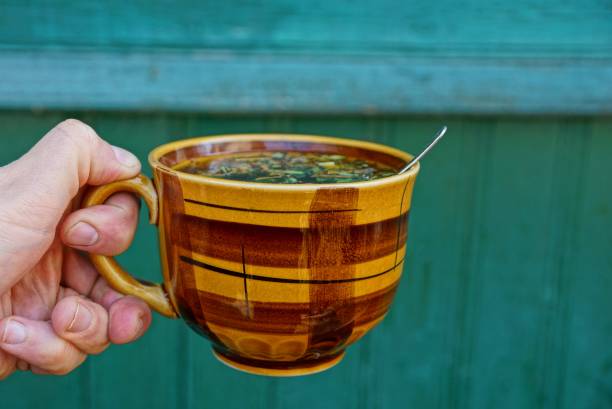
Herbal tea served in a ceramic mug at ideal drinking temperature

How Warm Should It Be — and What Cup to Use?

The ideal drinking temperature for most herbal teas is between 55 °C and 65 °C — warm enough to release aroma but cool enough to appreciate subtle flavour notes without scalding your tongue. If you steep at the correct temperature and let the cup rest uncovered for three to four minutes after straining, it will naturally arrive in this range. Pre-warming your mug with a splash of hot water before pouring the infusion helps maintain this temperature longer.

Vessel choice affects perception more than most people realise. Wide-rimmed ceramic mugs suit aromatic floral teas by directing scent toward your nose with each sip. Tall glass cups showcase the colour of nettle and fireweed infusions, adding visual pleasure to the experience. For outdoor drinking during Norwegian hiking trips, insulated stainless steel cups keep tea warm for up to two hours without adding metallic taste if the interior is coated.

Avoid drinking herbal tea too quickly. Small sips with brief pauses between them allow volatile aromatic compounds to register fully on your palate. This mindful approach — common in Japanese and Korean tea traditions and growing in popularity across Scandinavia — turns a simple drink into a small moment of calm.

What to Eat With Your Tea

Pairings that work through the Norwegian seasons

Winter Pairings (November – February)

During the Norwegian winter, herbal teas pair beautifully with hearty foods. Nettle tea complements wholegrain rye bread with brown cheese (brunost). Birch leaf infusions balance the richness of cured fish and root vegetable soups. After dinner, a cup of meadowsweet-chamomile alongside a small portion of dried apple rings creates a satisfying end to the meal without added sugar — a warm, simple finish to a winter evening.

Summer Pairings (June – August)

Summer calls for lighter combinations. Iced fireweed-mint tea served with open-faced sandwiches of cucumber and dill is a staple at Norwegian cabin gatherings. Cold birch leaf infusion pairs with fresh berries — strawberries, blueberries, or wild raspberries collected during a morning walk. For evening barbecues, serve warm yarrow-peppermint blend in glass cups as the sun sets over the fjord. The menthol freshness cleanses the palate between grilled courses.

Baking & Sweet Pairings

Herbal teas and Norwegian baking traditions complement each other naturally. Cardamom-spiced buns (kardemommeboller) taste excellent with a mild birch leaf cup. Waffles with sour cream and jam find their match in raspberry leaf infusion. When baking with herbs, consider using the same dried leaves in both the recipe and the accompanying tea — nettle in savoury scones with a nettle-birch blend creates a cohesive flavour theme for brunch gatherings.

Slow Down and Actually Taste It

Mindful tea drinking is not a mystical concept — it is a practical habit of paying attention to what is in your cup. Taking a short sensory break during the workday — noticing colour, aroma, temperature, and taste — is a simple routine many Norwegians already build around their coffee or tea habits.

Try this five-step practice: First, observe the colour of the infusion against the light. Second, inhale the steam deeply before your first sip. Third, take a small sip and let it rest on your tongue for two seconds. Fourth, notice the aftertaste as you swallow. Fifth, set the cup down and take one slow breath before continuing. The entire process takes under five minutes and can be repeated two to three times daily.

Many Norwegians integrate this practice into their friluftsliv (outdoor life) culture. Bringing a thermos of home-prepared herbal tea on a forest walk and finding a quiet spot to sit and drink creates a direct connection between the landscape where herbs grow and the cup in your hands. This cyclical awareness — from foraging to steeping to mindful consumption — is the essence of sustainable herbal tea culture.

Person enjoying herbal tea mindfully in a Norwegian forest setting

Common Questions

For most healthy adults, three to four cups spread throughout the day is a comfortable range. Vary the herbs rather than drinking the same infusion repeatedly. If you are pregnant, nursing, or taking medications, discuss your herbal tea habits with a qualified professional before exceeding two cups daily.
Light, leafy infusions like birch and nettle work well alongside meals or shortly after eating. Stronger, bitter herbs like yarrow and dandelion root are traditionally enjoyed on their own, a little while after a meal. If a full cup of liquid before eating makes you feel uncomfortable, save your tea for after the main course.
Mild infusions like chamomile and weak birch leaf tea are occasionally given to children over three years old in small amounts (100–150 ml), but always introduce one herb at a time and consult a paediatrician if unsure. Avoid strong herbs, yarrow, and meadowsweet for young children. Plain water remains the best primary beverage for daily hydration.

Join a Tea Workshop

Tastings and seasonal tea evenings near Stathelle