Educational site about Norwegian herbal tea — not a pharmacy or clinic. We do not make health or treatment claims. Not medical advice.

Nordic Herbal Teas, Made Simple

Pick the right herbs, steep them properly, and enjoy a good cup — whether you forage in the meadow or use dried leaves from your kitchen shelf.

Why Herbal Tea Still Fits Norwegian Life

A warm habit tied to the seasons and a slower pace

When the days grow short and the air turns cold, many Norwegians reach for a cup of herbal tea. It is a small daily ritual — part comfort, part connection to the plants growing nearby. Whether you are in Oslo, Bergen, or a coastal town like Stathelle, the idea is the same: know what is in your cup and enjoy the process.

Homemade tea lets you choose every leaf yourself. You pick what to dry, how long to steep, and whether to add lemon or local honey. Interest in wild-harvested plants is growing across Norway, and herbal tea sits comfortably in that picture — simple, local, and easy to make at home.

Here you will find straight answers: which herbs grow in Norway, how people have used them for years, and recipes that work in a normal kitchen. No fancy gear required — just a kettle, a strainer, and a little patience.
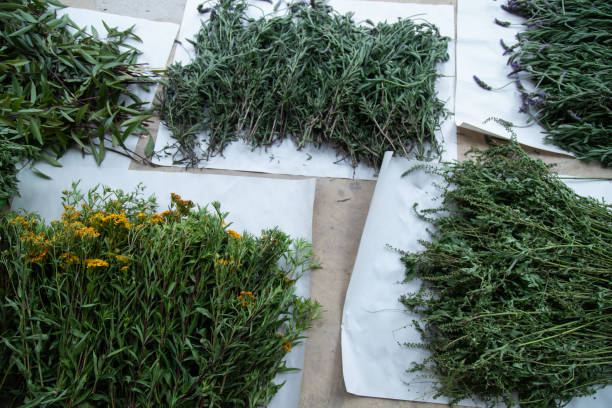
Wild & Garden Herbs

Home Steeping

Norwegian Focus

Practical Tips

Why People Keep Coming Back to These Herbs

What each plant brings to the cup

Plenty of Natural Goodness

Nordic herbs carry the flavours and plant compounds that make each cup taste distinct. Nettle keeps its green, mineral character even after drying. Birch leaves have a light, slightly sweet note that many people enjoy as a spring tea.

An Easy Way to Drink More Fluids

Herbal tea helps you stay hydrated through long Norwegian winters when plain water can feel less appealing. Most blends are caffeine-free, so they work well in the afternoon or before bed without keeping you awake.

A Quiet Pause in Your Day

Making tea gives you a natural break — measuring leaves, waiting for the water, taking that first sip. A five-minute pause between tasks can help you reset, breathe, and return to the day feeling a little calmer.

When and Where to Pick Wild Herbs

Timing is everything when collecting wild herbs. In southern Norway, the foraging season typically begins in late April with young nettle shoots and birch leaves. By June, meadowsweet and yarrow are at their aromatic peak. Northern regions like Troms and Finnmark start two to three weeks later, so always adjust your calendar to local conditions rather than fixed dates.

Always harvest away from roadsides, agricultural spray zones, and dog-walking paths. The Norwegian right to roam (allemannsretten) allows responsible collection of wild plants for personal use, but never pick endangered species or strip an entire patch bare. Take no more than one-third of any plant stand, and leave the roots intact unless you are harvesting perennials like dandelion intentionally.

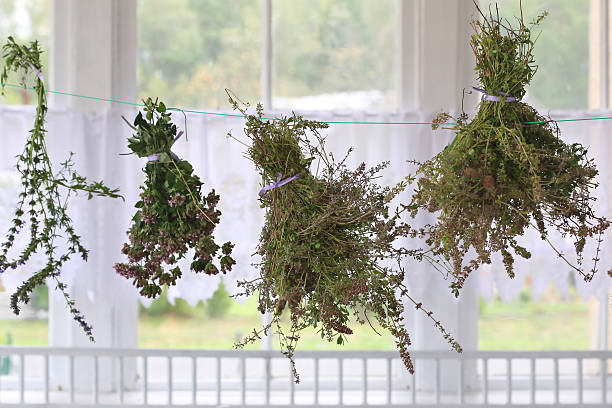
Drying is straightforward: bundle small amounts and hang them upside down in a warm, airy room away from direct sunlight. A food dehydrator set to 35–40 °C works well for humid coastal climates common around Telemark and Vestfold. Properly dried herbs should crumble easily and retain their colour — brown or mouldy material should be discarded immediately.

Hand-picked herbs drying in a Norwegian countryside kitchen

Five Steps to a Good Cup

Start here if you are new to herbal tea

  1. Measure Your Herbs

    Start with one teaspoon of dried herbs per 250 ml of water. Fresh herbs require roughly double the amount because they contain more moisture. Adjust to taste after a few trials — Norwegian households often keep a handwritten notebook of personal preferences passed down through generations.

  2. Heat Water Correctly

    Bring filtered water to a boil, then let it rest for 30–60 seconds before pouring. Delicate leaves like birch and raspberry can become bitter above 90 °C, while tougher roots and bark benefit from a rolling boil. Using a kitchen thermometer removes guesswork entirely.

  3. Steep with a Lid

    Cover your cup or teapot during infusion to prevent volatile aromatic oils from escaping. Most leafy herbs need 5–10 minutes; flowers like meadowsweet require only 3–5. Set a timer — over-steeping is the most common reason homemade herbal tea tastes unpleasantly strong.

  4. Strain and Serve

    Use a fine mesh strainer or reusable cotton tea bag. Pour into a pre-warmed mug to maintain temperature longer during cold evenings. If you prefer iced herbal tea in summer, steep at double strength and pour over ice immediately after straining.

  5. Store Leftovers Properly

    Refrigerate steeped tea within two hours and consume within 24 hours. Dried herb blends keep best in airtight glass jars stored in a cool, dark cupboard. Label each jar with the harvest date and herb name — future you will appreciate the organisation.

Stay Safe

A few things worth knowing before your first cup

Know What You Are Picking

Only use plants you can identify with confidence. A good field guide or local forager can help. Some toxic plants look similar to edible herbs — foxglove and hemlock water dropwort are two examples. If you are unsure, do not use it.

If You Are Pregnant or Taking Medication

Some herbs — including yarrow and large amounts of raspberry leaf — are often avoided during pregnancy. Children, older adults, and anyone on prescription medication should try new herbs slowly, one at a time, and talk to a healthcare provider if unsure.

Herbs and Medications

Some herbs may not mix well with blood thinners, diuretics, or other medicines. St. John's wort, sometimes found in shop blends, is a known example. Keep a simple list of what you drink and mention it at medical appointments.

Trying Something New

Start with a small sip of any new tea and wait a day before having a full cup. If you are sensitive to daisies, chamomile, or ragweed, you may also react to related herbs like yarrow or dandelion. Stop drinking it if anything feels off.

Upcoming Events

Workshops and foraging walks you can join

March 15, 2026

Spring Nettle Foraging Walk — Telemark

Join a guided morning walk through coastal meadows near Stathelle. Learn to identify young nettle shoots, practice sustainable harvesting, and finish with a group tasting session. Bring waterproof boots and a small basket.

From NOK 350 per person (incl. mva). Final price confirmed by email before payment. Cancellation rights apply.

May 22, 2026

Birch Leaf Tea Workshop — Oslo Botanical Garden

An afternoon session covering leaf selection, drying techniques, and blending birch with meadowsweet. Participants receive a sample pack of dried Norwegian herbs and a printed steeping reference card.

From NOK 490 per person (incl. mva). Final price confirmed by email before payment. Cancellation rights apply.

September 8, 2026

Autumn Herbal Blend Masterclass — Bergen

Explore fireweed, rosehip, and elderflower combinations perfect for the Norwegian autumn. Includes proper storage and labelling tips. Limited to 20 participants.

From NOK 590 per person (incl. mva). Final price confirmed by email before payment. Cancellation rights apply.

Who Runs This Site

Transparent business information for our readers

We are a registered Norwegian business based in Stathelle, Telemark (org. nr. 935 777 739). This website publishes free guides about herbal tea culture — foraging tips, steeping methods, and recipes you can try at home.

We sometimes host paid workshops and foraging walks. We do not sell medicines, treatment products, or supplements with health claims. All prices are quoted in NOK before you confirm a booking, and your consumer rights — including cancellation — are explained on our legal pages.

Questions? Email inquiry@vitshineex.world or call +47 411 43 370.

Common Questions

Quick answers about Nordic herbal tea

Yes, blending is one of the joys of homemade herbal tea. A balanced approach is to combine one base herb (like nettle or birch leaf) with one aromatic herb (like meadowsweet) and optionally one root or seed for depth. Start with equal parts and adjust after tasting. Keep notes so you can reproduce blends you enjoy.
Most dried leafy herbs retain good flavour for 12–18 months when stored in airtight containers away from light and moisture. Flowers and delicate petals may fade sooner — around 6–9 months. If an herb loses its aroma when rubbed between your fingers, it is time to replace your stock.
Under allemannsretten (the right to roam), you may pick wild berries, mushrooms, and common plants for personal use on uncultivated land. However, national parks, nature reserves, and private gardens have restrictions. Commercial harvesting requires permission. Always check local regulations before collecting in unfamiliar areas.
Filtered tap water or spring water produces the cleanest taste. Hard water with high mineral content can mute delicate flavours, particularly in birch leaf and chamomile infusions. If your tap water tastes strongly of chlorine, let it sit uncovered for 30 minutes or use a charcoal filter before heating.